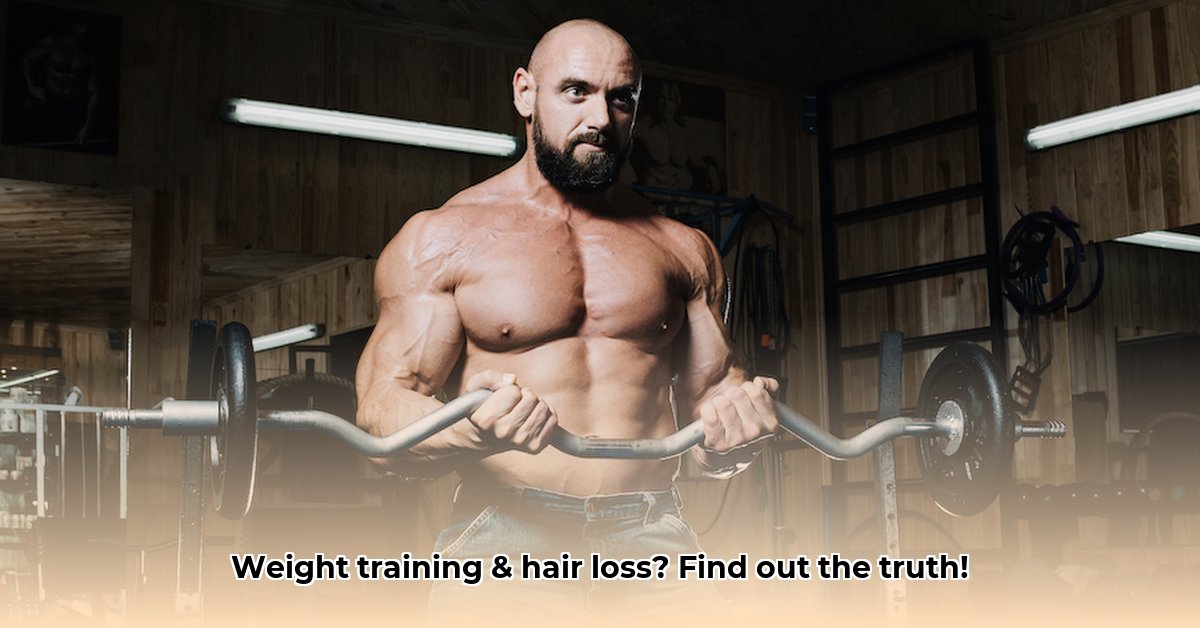
Does Weight Training Cause Hair Loss?
The question of whether weight training causes hair loss is complex and doesn't have a simple yes or no answer. While some anecdotal evidence and preliminary research suggest a possible link, the relationship is far more nuanced than often portrayed. This article explores the current scientific understanding, highlighting areas of consensus and uncertainty, and offering practical advice for maintaining healthy hair while engaging in weight training.
The Weight Training-Hair Loss Connection: A Complex Picture
Current research has yielded mixed results regarding the direct impact of weight training on hair loss. Some studies suggest that increased blood flow to the scalp, a benefit of exercise, might actually promote hair follicle health. However, other studies have indicated a potential, albeit often indirect, correlation between exercise and hair loss. It's crucial to understand that this correlation is frequently linked to other lifestyle factors. For instance, individuals experiencing hair loss may be less likely to engage in strenuous exercise, making it difficult to isolate exercise as the sole causative agent.
What the Research Shows (and Doesn't)
The intensity and type of exercise appear to be significant factors. Studies suggest that very intense workouts might not significantly increase hair loss, while the effect of moderate exercise remains less certain. A key finding from recent research indicates a correlation between high amounts of low-intensity exercise and increased risk of androgenetic alopecia (AGA), especially in individuals without a family history of the condition. However, this study did not observe the same correlation for moderate-to-high intensity exercise, such as weight training. 1
The takeaway? More research is needed to definitively determine the impact of different types and intensities of exercise on hair loss.
Beyond the Weights: Other Influential Factors
Several other factors significantly influence hair health, potentially obscuring any direct link between weight training and hair loss:
- Genetics: Androgenetic alopecia (AGA), or pattern baldness, is largely hereditary, meaning a predisposition to hair loss can be inherited.
- Diet: Nutritional deficiencies can negatively impact hair growth. A balanced diet rich in essential vitamins and minerals is crucial for healthy hair.
- Stress: Chronic stress can disrupt hair growth cycles and contribute to hair loss.
- Hormonal imbalances: Fluctuations in hormone levels can significantly influence hair follicle function.
- Sun exposure: Excessive sun exposure can damage hair follicles.
Weight training might indirectly affect hair health through these factors. For example, intense workouts combined with a poor diet could create a negative synergy, impacting hair growth.
How Weight Training Might Influence Hair Growth (Hypotheses)
One theory suggests that during intense physical activity, the body might prioritize resource allocation to essential functions, potentially diverting resources away from hair growth to support muscle recovery and other vital processes. Another hypothesis connects intense muscle building (hypertrophy) to increased bodily stress, which could potentially affect hair health. These remain largely theoretical and require further investigation.
Actionable Steps Towards Healthy Hair and Effective Workouts
The key to maintaining healthy hair while weight training lies in a balanced approach:
- Prioritize Rest and Recovery: Avoid overtraining. Rest and recovery are crucial components of any effective training program. Overtraining can negatively impact overall health, potentially affecting hair growth.
- Maintain a Balanced Diet: Consume a diet rich in protein, vitamins (particularly A, B complex, C, D, and E), and minerals (such as zinc, iron, and biotin), all essential for hair health.
- Manage Stress Effectively: Implement stress-management techniques such as yoga, meditation, or spending time in nature to mitigate the potential negative effects of stress on hair growth.
- Consult a Professional: If you're concerned about hair loss, consult a doctor or dermatologist for a proper diagnosis and personalized recommendations.
Risk Assessment Matrix: Weight Training and Hair Loss
| Factor | Low Risk | Moderate Risk | High Risk |
|---|---|---|---|
| Training Intensity | Moderate intensity, adequate rest | High intensity, insufficient rest | Extreme intensity, chronic overtraining |
| Diet | Balanced, nutritious | Slightly unbalanced, some nutrient deficiencies | Significantly unbalanced, severe deficiencies |
| Stress Levels | Low stress, effective coping mechanisms | Moderate stress, some coping mechanisms | High stress, ineffective coping mechanisms |
| Genetic Predisposition | No family history of AGA | Family history of AGA in distant relatives | Family history of AGA in close relatives |
Remember, the relationship between weight training and hair loss is multifaceted. Focusing on overall health and well-being, including a balanced diet, adequate rest, stress management, and seeking professional advice when needed, promotes optimal hair health. Further research is ongoing, and future studies will undoubtedly provide a clearer understanding of this intricate connection.